

Valley of the Kings: Complete Guide for Visiting Luxor
The Valley of the Kings in Luxor is one of Egypt’s most extraordinary archaeological sites, home to royal tombs, ancient treasures, and remarkable stories of the afterlife. From breath taking wall paintings to the legendary tomb of Tutankhamun, the valley reveals the secrets of pharaohs who ruled more than 3,000 years ago. This guide covers history, highlights, travel tips, and tours from Hurghada.
Why the Valley of the Kings Continues to Captivate the World
A Timeless Archaeological Wonder
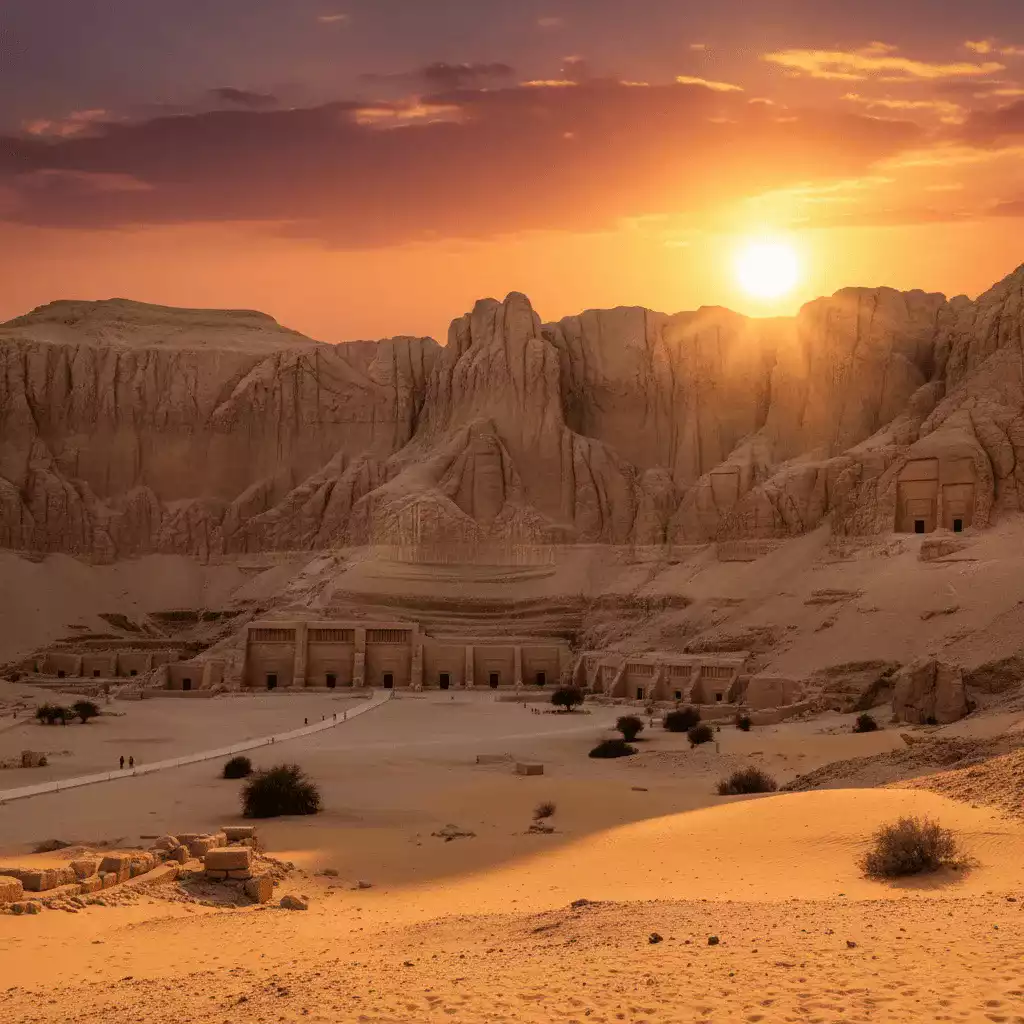
Few places on Earth inspire as much fascination as the Valley of the Kings. Hidden within dramatic desert cliffs, the site reveals a silent world where pharaohs prepared for eternity. Visitors are drawn to its astonishing hieroglyphs, secret chambers, and the remarkable preservation of ancient funerary art. Even today, archaeologists continue to uncover new insights that reshape our understanding of Egyptian history.
Why Millions Still Visit Every Year
Every traveler arrives with a sense of anticipation — and for good reason. The Valley of the Kings offers a rare opportunity to walk inside actual royal tombs carved more than 3,000 years ago. From vivid colors to symbolic passages into the afterlife, each chamber feels like stepping into a story that time never erased.
The Story of the Valley of the Kings – Where Pharaohs Sought Eternal Life
Why the West Bank Was Chosen for Royal Burials
Ancient Egyptians believed the west, the direction of the setting sun, symbolized the entrance to the afterlife. This made the West Bank of Luxor the perfect necropolis, and the Valley of the Kings became the chosen resting place for powerful rulers of the New Kingdom. Its natural pyramid-shaped peak was also believed to offer divine protection.
The Hidden Architecture Beneath the Desert
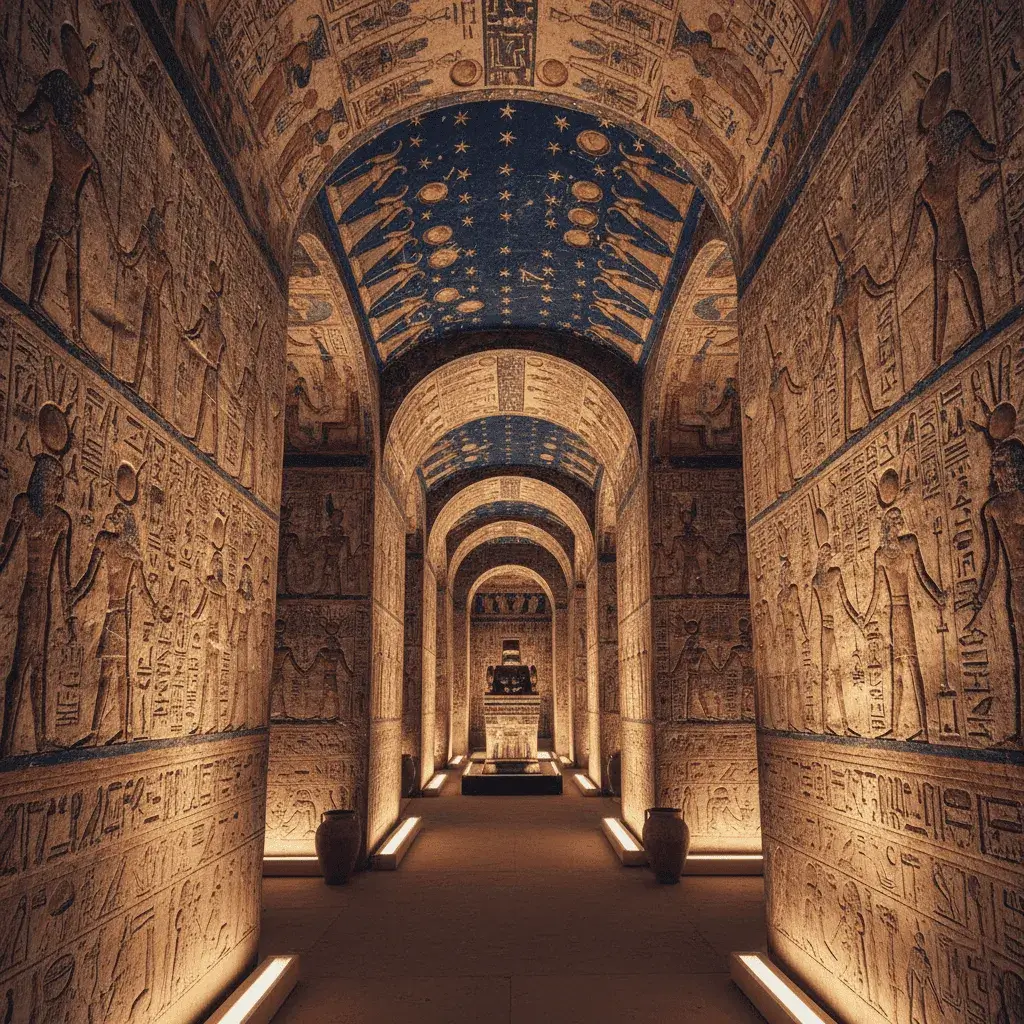
Beneath the surface lies a network of corridors, burial chambers, and symbolic decorations crafted with extraordinary precision. These tombs were not only graves but elaborate spiritual gateways, designed to guide and safeguard the king’s soul. This complexity is a major reason the Valley of the Kings remains one of the world’s most studied archaeological sites.
Ancient Egyptian Beliefs About the Afterlife
The Journey of the Soul and the Underworld
To understand the Valley of the Kings, one must understand the Egyptians’ devotion to the afterlife. They believed the soul embarked on a perilous journey through the underworld before reaching eternal rebirth. Tomb texts, magical spells, and scenes from the Book of the Dead served as a guidebook for this sacred transition.
Symbols, Paintings, and Sacred Rituals in the Tombs
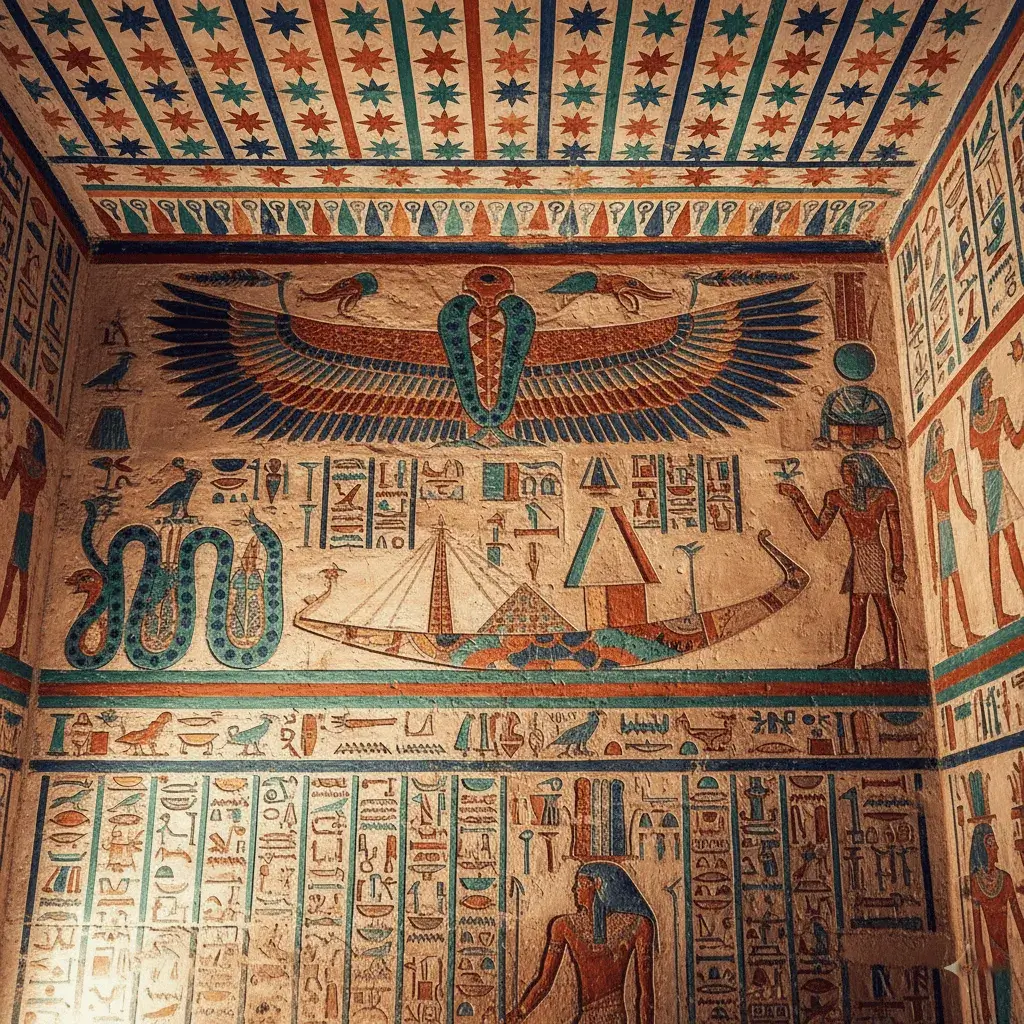
Every wall inside these tombs carries meaning. Stars, serpents, solar boats, and protective deities appear in brilliant colors, each symbol ensuring the pharaoh’s safe passage. These artistic details reveal how deeply the Egyptians valued eternity — and why the Valley of the Kings still holds unmatched spiritual and archaeological significance.
Famous Pharaohs and Iconic Tombs You Can Discover
Tombs Carved for Legends
Walking through the Valley of the Kings feels like moving through a royal archive carved in stone. Each tomb reflects the personality, reign, and religious beliefs of the pharaoh it was built for. Visitors today can marvel at the extraordinary craftsmanship and vivid color palettes that survived millennia beneath the desert floor.
Notable Tombs Open to Visitors
- KV11 – Tomb of Ramesses III: Known for intricate wall scenes and deep corridors.
- KV2 – Tomb of Ramesses IV: Features striking astronomical ceilings.
- KV9 – Tomb of Ramesses V & VI: A masterpiece of symbolic art, often a visitor favorite.
- KV17 – Tomb of Seti I: One of the most beautifully decorated tombs ever discovered.
These sites highlight why the Valley of the Kings remains unmatched in its archaeological significance.
Howard Carter’s Historic Find
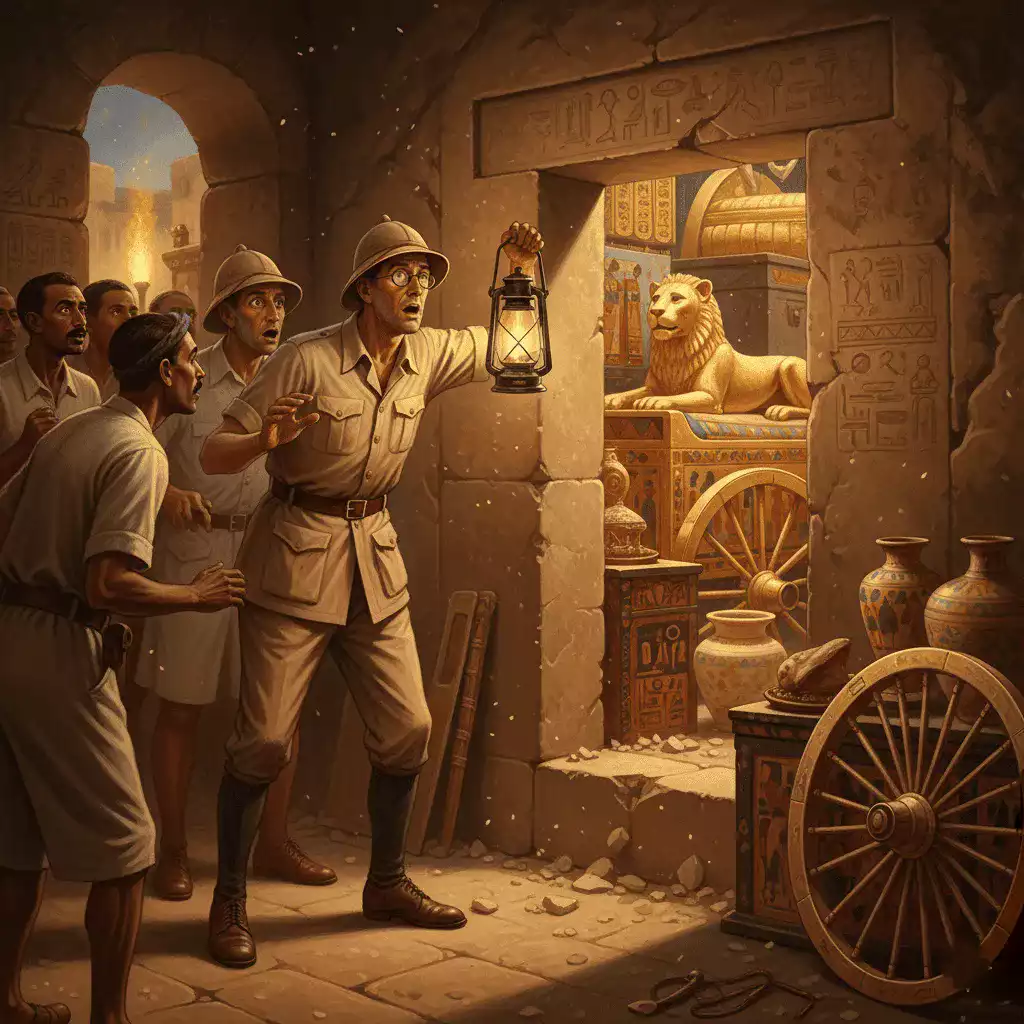
In 1922, British archaeologist Howard Carter uncovered a sealed doorway that changed the world’s understanding of ancient Egypt. Hidden beneath rubble, the staircase led to the untouched burial chamber of the young king. The discovery of Tutankhamun’s tomb became the most celebrated moment in the history of the Valley of the Kings, revealing treasures beyond imagination.
What Made This Discovery Extraordinary
- The tomb was almost completely intact
- Over 5,000 artifacts documented
- A solid gold coffin and iconic mask
- Unprecedented insight into royal life
This single discovery reshaped global interest in Egyptian heritage and cemented Tutankhamun as a symbol of ancient splendor.
Storytelling: A Pharaoh’s Journey to the Afterlife
Following the Path of a King
Inside the Valley of the Kings, each tomb narrates a journey from death to rebirth. The pharaoh’s spirit was believed to encounter gods, battle chaotic forces, and prove worthiness before reaching eternal life. This spiritual journey is depicted along corridors that guide visitors step by step through symbolic scenes.
Key Elements the Pharaoh Needed for Eternity
- Magical spells for protection
- Offerings and sacred rituals
- Guardians carved on walls
- Hieroglyphic instructions for navigating the underworld
These elements reveal the profound spiritual mindset that shaped ancient Egyptian funerary beliefs — a key reason the Valley of the Kings continues to inspire awe today.
Highlights of a Visit to the Valley of the Kings
What Makes the Experience Unforgettable
A visit to the Valley of the Kings immerses you in silence, color, and thousands of years of preserved history. The tombs glow with vibrant artwork; the corridors feel sacred; and the dramatic landscape adds a sense of mystery that no photograph can capture.
Top Highlights Many Travelers Enjoy
- Intricate wall carvings that follow the pharaoh’s journey
- Brightly colored astronomical ceilings
- Massive stone sarcophagi
- Electric-car ride from the visitor center to the tombs
These features make exploring the Valley of the Kings one of the most memorable archaeological experiences in Egypt.
Valley of the Kings Tour from Hurghada – What to Expect
A Full-Day Journey Through Ancient History
Travelers starting from Hurghada can enjoy a seamless full-day itinerary that covers the Valley of the Kings, major temples, and a professional Egyptologist guide. This is one of the easiest ways to explore Luxor without stress, especially for first-time visitors.
Official Tour Prices from Os Hurghada Tours
Below is the accurate and verified pricing table for the full-day Luxor tour, including your visit to the Valley of the Kings:
| Number of People | Price (Euro/£) |
| 1 person | 210 € or 185 £ |
| 2 people | 125 € or 110 £ per person |
| 3 people | 110 € or 100 £ per person |
| 4 people | 100 € or 90 £ per person |
| 5 people | 95 € or 85 £ per person |
| 6 people | 90 € or 80 £ per person |
| 7–8 people | 85 € or 75 £ per person |
What the Price Includes
- Hotel pick-up and drop-off
- Egyptologist guide
- Entrance to Valley of the Kings (3 tombs)
- Queen Hatshepsut Temple
- Karnak Temple
- Carter House
- Colossi of Memnon
- Lunch at a local restaurant
What the Price Does Not Include
- Gratuities
- Drinks at the restaurant
- Tourist license fee
This transparent pricing allows travelers to enjoy Luxor with confidence and no hidden surprises.
Make the Most of Your Time
With multiple tombs open on rotation, planning is key when visiting the Valley of the Kings. Arriving early helps avoid crowds and high midday temperatures, especially during peak season.
Smart Tips for a Smooth Visit
- Bring water and sun protection
- Wear comfortable walking shoes
- Respect photography rules (some tombs require a separate ticket)
- Allow time to rest between tombs
- Follow your guide’s instructions to focus on the best open sites
These simple steps help ensure your visit to the Valley of the Kings is both smooth and unforgettable.
Things to Do in Luxor Beyond the Valley of the Kings
Exploring Luxor’s Endless Wonders
While the Valley of the Kings is the crown jewel of Luxor, the city offers countless additional treasures worth exploring. From sprawling temples to atmospheric riverside promenades, Luxor gives visitors a deep, beautiful look into ancient Egyptian civilization.
Top Experiences to Add to Your Day
- Temple of Hatshepsut: A breathtaking structure carved into the cliffs.
- Karnak Temple: One of the largest temple complexes ever built.
- Luxor Temple: Magical at sunset with glowing columns and statues.
- Nile Felucca Ride: A peaceful escape along the river.
These moments complement your journey through the Valley of the Kings perfectly.
Why the Valley of the Kings Is a Must-Do Day Trip from Hurghada
A Journey Combining Comfort and Culture
For travelers staying on the Red Sea coast, a day trip from Hurghada offers the ideal blend of history and convenience. Modern highways and private vehicles make the journey smooth, while expert guides bring the stories of the pharaohs to life. It’s a rare chance to experience two of Egypt’s greatest worlds in one day.
Why Travelers Love This Experience
- Hassle-free transportation
- Professional Egyptologists who explain hidden meanings
- Access to Egypt’s most famous royal tombs
- Chance to explore temples, statues, and local culture
This easy, rewarding adventure is why so many visitors describe the Valley of the Kings as a highlight of their entire Egyptian trip.
Final Thoughts Before Your Visit
Your Gateway to Egypt’s Timeless Legacy
A trip to the Valley of the Kings is more than a sightseeing stop — it is a journey through powerful stories, extraordinary art, and a civilization that shaped history. Whether this is your first visit or a long-awaited dream, the experience leaves lasting impressions and deep admiration for the ancient world.
Frequently Asked Questions
How far is Hurghada from the Valley of the Kings?
The distance from Hurghada to Luxor is roughly 290 km, taking about 4 hours by private car. Most travelers prefer an organized day tour for comfort and efficiency, especially when visiting multiple sites like the Valley of the Kings, Karnak, and Hatshepsut Temple.
Can children join a Valley of the Kings tour from Hurghada?
Yes, children are welcome. In fact, many families enjoy this trip because it combines history with adventure. On private tours, kids can move at their own pace, and children under 5 typically join free of charge, while children under 11 receive half-price rates.
How many tombs can I enter?
A standard entry ticket allows access to three open tombs within the site. The selection rotates to protect the artwork. Special tombs — such as Tutankhamun’s — require an additional ticket purchased at the entrance.
Is it safe to visit Luxor from Hurghada?
Yes. The route between Hurghada and Luxor is widely used by tourists every day. Private tours follow licensed, monitored paths, and you’ll be accompanied by a professional guide, making the journey very safe and comfortable.
What should I bring?
Essential items include:
- Comfortable walking shoes
- Water and snacks
- Sunscreen and sunglasses
- A hat for sun protection
- Cash for optional tickets or tips
- A light scarf for hot weather
Some tombs can be warm inside, so hydration is important.
Is Hurghada near the Valley of the Kings?
Hurghada is not “near,” but it is close enough for a smooth and enjoyable day trip. With modern highways and private transport, the journey is direct and comfortable.
Is it worth visiting the Valley of the Kings?
Absolutely — this is one of the most extraordinary archaeological sites on Earth. The artwork, engineering, symbolism, and atmosphere inside the tombs make the experience unforgettable, even for travelers who aren’t history enthusiasts.
What is special about the Valley of the Kings?
Its uniqueness comes from the royal tombs, the astonishing colors preserved for thousands of years, and the deep religious symbolism carved into every wall. Add to that the discovery of Tutankhamun, and you have a site that changed the world’s understanding of ancient Egypt.
How long to spend at the Valley of the Kings?
Most travelers spend 1.5 to 2 hours inside the site, enough to explore three tombs at a relaxed pace. Travelers on guided tours usually combine the visit with nearby attractions, making the full day in Luxor feel well-balanced.
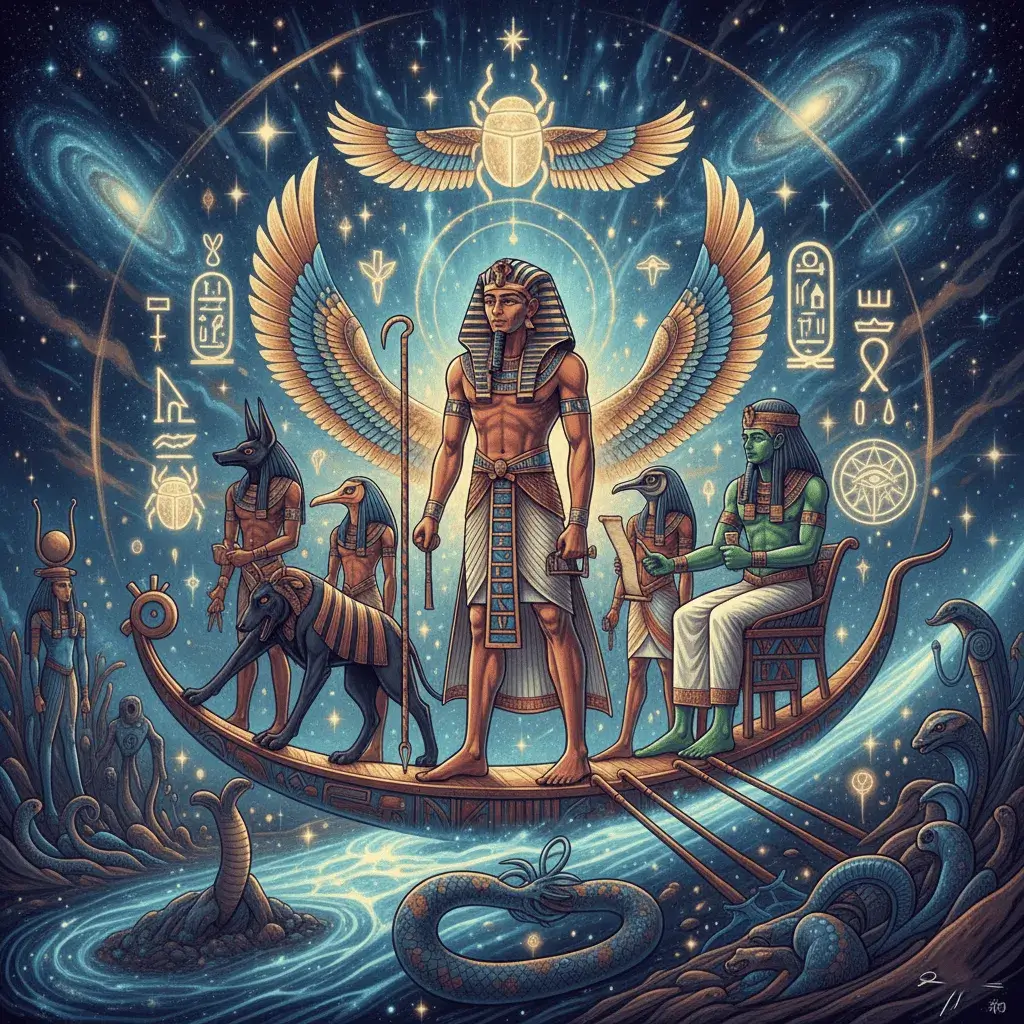
A Final Look at Egypt’s Most Iconic Royal Necropolis
Exploring the Valley of the Kings is an experience that stays with you long after you leave Luxor. From vibrant wall paintings to sacred passages carved deep into the cliffs, the site reveals a world where pharaohs prepared for eternity and where stories from 3,000 years ago remain remarkably alive. Visiting this ancient valley is not just a tour — it is a step inside the heartbeat of Egyptian civilization.
Experience Luxor with Comfort and Confidence
The Best Way to Explore the Valley of the Kings
To make your journey seamless, choosing a reliable travel partner matters. Os Hurghada Tours offers private, well-organized day tours from Hurghada to Luxor, ensuring you travel in comfort with an expert Egyptologist by your side. Transparent pricing, punctual drivers, and personalized service turn a long day trip into a smooth and enriching adventure.
Contact Os Hurghada Tours
📞 Phone: +201129325434
📧 Email: oshurghadatours@gmail.com
Start your exploration of ancient Egypt with a team that puts your comfort, experience, and satisfaction first.


 Contact Us